

Imagine your head is like a laptop that has been running for far too long without a break. Everything slows down, programs freeze, and you know exactly what you need: a proper restart. Meditation can be just such a reset button for your mind—without any technology, but with maximum effect. When people think of meditation, they often think of incense sticks, strange sitting positions, or people sitting in complete silence for hours on end, looking somehow enlightened. Honestly, this puts many people off and feels more like esotericism than everyday life.
Inhaltsverzeichnis
Getting started & clearing up prejudices

But meditation isn’t just for yoga teachers, monks, or people on a journey of self-discovery in India. You don’t have to sit cross-legged on a mountain, you don’t need a singing bowl, and you certainly don’t need a special app. There’s no meditation police telling you how to sit or breathe. It’s not about hocus-pocus, but a very practical way to clear your head from time to time and see more clearly again—no matter what you do for a living, how old you are, or whether you’re spiritual or not.
Popular products
-

Muladhara Balance
49,95 € -
Swadhisthana Flow
49,95 € -
Manipura Strength
49,95 € -
Anahata Harmony
49,95 €




What meditation can really do: It helps you take a few minutes’ break from whatever is stressing you out. It works because it’s simple and can be tried out right away—no preparation, no fuss. The only important thing is that you dare to just give it a go. Perfection is completely irrelevant, and you don’t need any complicated techniques. Here’s a step-by-step guide on how you can get started today—suitable for everyday use, easy to implement, and guaranteed without incense sticks.
The basics: What meditation really is
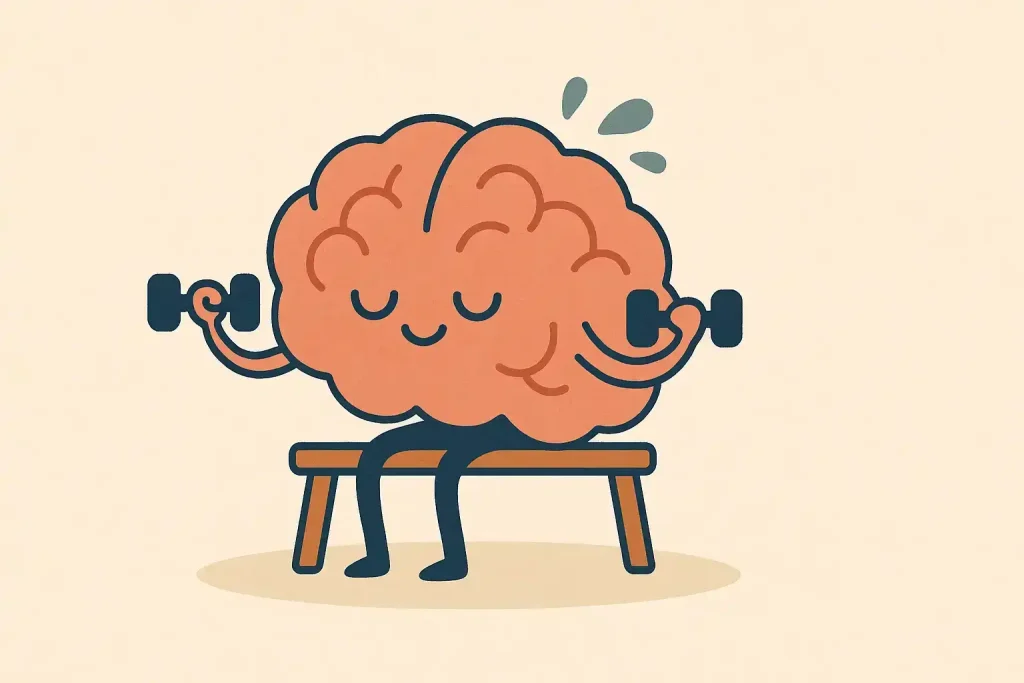
Meditation is basically training for your mind—similar to building muscle at the gym, but for your head. You don’t go to the gym and expect to have a six-pack after your first workout. It’s the same with meditation: it’s about building your mental strength with small, regular sessions. That may sound unspectacular at first, but it’s exactly what makes such a big difference in the long run.
You don’t need anything special to get started. No special clothing, no fancy music, no years of experience. All you really need is five to ten minutes of time, a reasonably quiet place, and a little curiosity about what will happen. That’s it. There is no secret formula, no special equipment. Meditation is almost boringly simple, and that’s what makes it so brilliant.
Meditation: Why you need to start NOW
Imagine your head is like a laptop that has been running for far too long without a break. Everythin…
What exactly is it? Essentially, meditation means focusing on the moment. You observe what is going on in your head without getting lost in it or judging anything. Imagine you are sitting on the side of the road and watching the cars—your thoughts—drive by. You don’t have to chase after every car; you can just sit there and watch. Some thoughts are loud, some are quiet. Some linger briefly, others race by. Your only task is to observe, not to get involved. That’s what meditation is all about.
And more importantly, there is no right or wrong. You don’t have to meditate “well”; no one is giving out grades here. Everyone starts somewhere, and there are no mistakes. It’s not about doing everything perfectly right away, but simply getting started. If you put pressure on yourself right away, you’re making things unnecessarily difficult for yourself. So: clear your mind, lower your expectations, and just give it a try! I’ll show you how to do this step by step.
Get started right away: Your first meditation step by step

Okay, now it’s time to get practical. Find a place where you can sit quietly for a few minutes. This could be your sofa, a chair, or even your bed—the main thing is that you feel comfortable. You don’t have to contort yourself or sit in the perfect cross-legged position. Just sit in a way that is relaxed for you. If you want, lean back or rest your hands loosely on your thighs.
Take your cell phone or a simple alarm clock and set it for five minutes. Five minutes—that’s less than a coffee break, but more than enough to really feel something. It’s not about sitting still for half an hour right away. Start small, the main thing is to get started. Set the timer? Great.
Now decide whether you want to close your eyes or keep them open. There is no right or wrong answer here—it’s a matter of preference. If you keep your eyes open, find a point in the room to focus on. If you close your eyes, just let them fall shut naturally, without clenching or pressing.
Top-rated products
-
Sahasrara Connect
49,95 € -
Muladhara Balance
49,95 € -
Swadhisthana Flow
49,95 € -
Manipura Strength
49,95 €

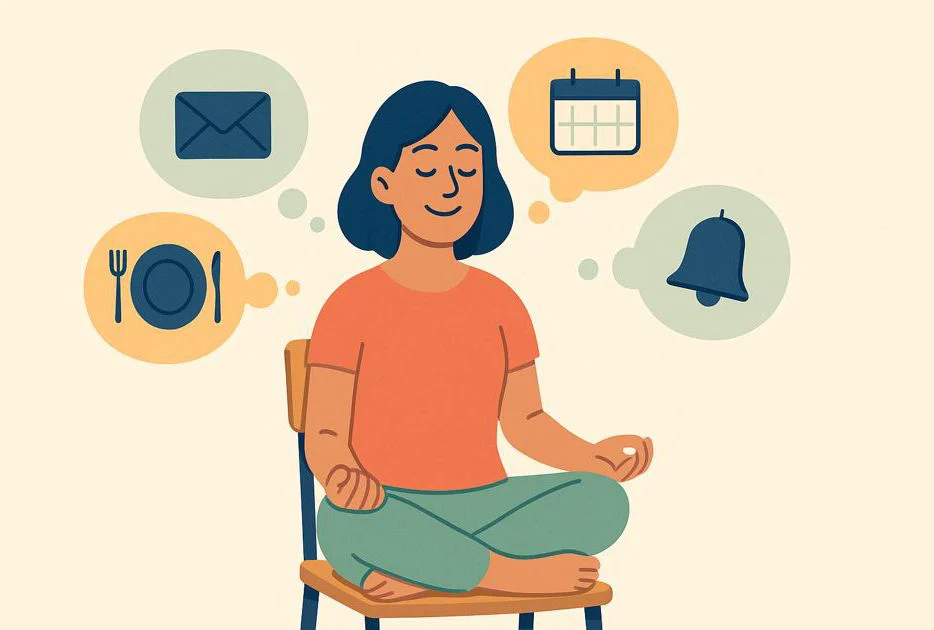
And now comes the key: focus your attention on your breathing. Feel the air flowing in through your nose, feel your stomach or chest rising and falling. Breathe normally, you don’t have to change anything – just notice how it feels when you breathe in and out. You may notice that your thoughts immediately start racing: “What’s for dinner tonight?”, “Have I replied to that email yet?”, “Am I doing the right thing?” That’s completely normal! Thoughts will come – and that’s exactly the point.
When you notice that you have drifted off, gently bring yourself back to your breathing. No anger, no stress, just “Ah, there I went again” and back to breathing in and out. Imagine you are training a dog that keeps running away—you simply call it back without scolding it. That’s exactly how you deal with your thoughts.
Important: Meditation does NOT mean that you should not think about anything. It is not about emptying your mind, but about noticing what is happening without getting lost in it. Every time you catch yourself letting your thoughts drift away, you have already practiced—that is the training effect! With each repetition, it becomes a little easier to stay with your breath.
When the timer rings, stay seated for a moment. Take a few deep breaths and check in with yourself: How do you feel now? Do you feel like you have a little more space in your head? Maybe it’s not spectacular, or maybe it is—but you’ve just done your first mini-reset. And that counts. You’ve tried out what meditation feels like, without pressure, without esotericism. That’s the most important step.
Try this for five minutes a few days in a row. You’ll see: it gets a little easier each time. If you like, you can extend it to ten minutes or just stick with five minutes—that’s totally fine. Just get started, and you’ll quickly notice how things change.
Common obstacles & how to stay on track
Now comes the part where many people give up—and that’s completely normal. Perhaps you expect to have a sudden flash of insight or total peace of mind after your first meditation session. The truth is, that rarely happens. Meditation isn’t a magic trick that changes everything instantly. It’s like exercise: you don’t win a marathon after your first workout. So don’t put pressure on yourself if you don’t feel enlightened after a few minutes. The most important thing is to stick with it—even if it’s bumpy at first.
Many people know this feeling: you try to sit quietly, but your thoughts are running wild. Or you wonder whether you are meditating “correctly.” Here’s a little consolation: everyone feels this way! I felt the same way at the beginning. I sat there, closed my eyes, and after ten seconds I suddenly found myself thinking about my shopping list. What helped? A little humor and the realization that it’s okay if it doesn’t work right away. It’s not a competition, but rather an invitation to try it out.
What is the heart chakra?
Many people talk about the heart chakra, but hardly anyone knows how it really feels in their everyd…
Here’s a tip that really helps: make meditation a regular mini-habit. Find a time that always works for you—for example, right after waking up or in the evening before going to bed. The less you have to think about it, the easier it will be to stick with it. And if you find that you want more, there are countless techniques: guided meditations, walking meditation, body scans, and so on. But don’t try these things until you feel comfortable with the basics. Too much at once usually just creates chaos in your head.
EASY TO START

In the end, only one thing really matters: just get started, no matter how unspectacular it feels. Every day you take five minutes for yourself is a win—and small steps make a big difference in the long run. Stay relaxed, be kind to yourself, and take it with a sense of humor. Now it’s your turn: write me a comment below about how your first meditation went or what questions you have.
If you want more practical everyday tips and inspiration, subscribe to the channel—here you’ll regularly get fresh ideas to try out right away. So, get started now—your mind will thank you!
Frequently asked questions about meditation BY beginners
What is meditation really, and how do I get started?
Meditation is mental training. Focus on your breathing and observe your thoughts without judging them. Five minutes a day is enough to get started and reduce stress.
Do I need special equipment or am I spiritual enough to meditate?
No, you don’t need any equipment or spiritual beliefs. Meditation is a practical path to mental clarity, suitable for everyone and completely free of esotericism.
What should I do if my thoughts wander during meditation?
That’s completely normal! Gently bring your attention back to your breath without getting annoyed. Every time you bring your attention back, it’s a training moment for your mind.
How long should I meditate, and when will I see results?
Start with five minutes a day. Results come gradually; it’s a process, not a quick fix. Keep at it—small steps make a big difference in achieving greater peace of mind.
Is meditation only for enlightenment, or can it help me in my everyday life?
Meditation helps you gain perspective in everyday life, manage stress, and see things more clearly. It’s about practical benefits and greater presence, not enlightenment.
This is how meditation becomes a habit
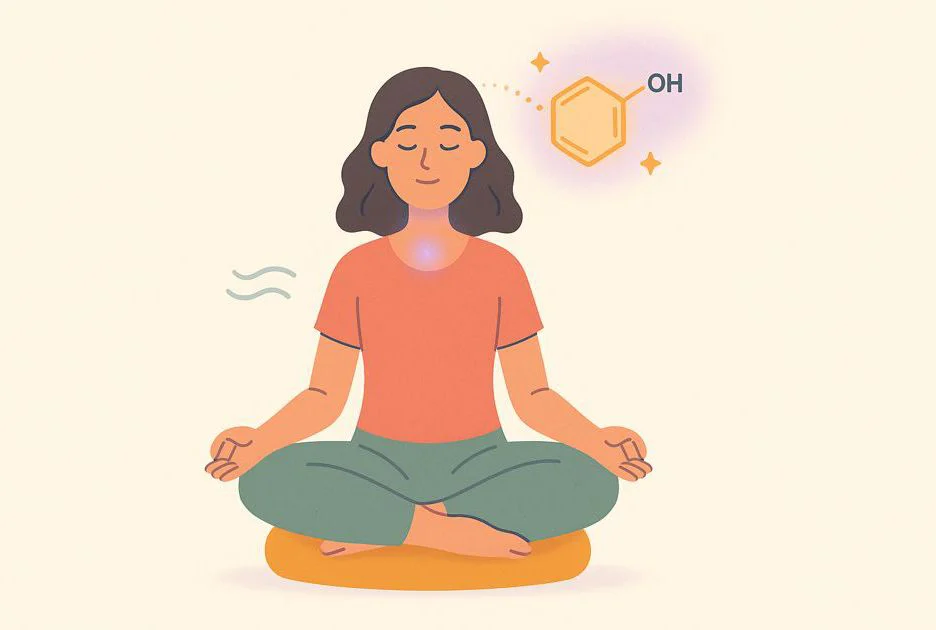
The real moment when motivation arises Do you know that great feeling you get right after exercising…
5 reasons why your meditation is failing
Why do so many people give up their meditation practice after just a few weeks—even though they know…
Crystals in meditation practice
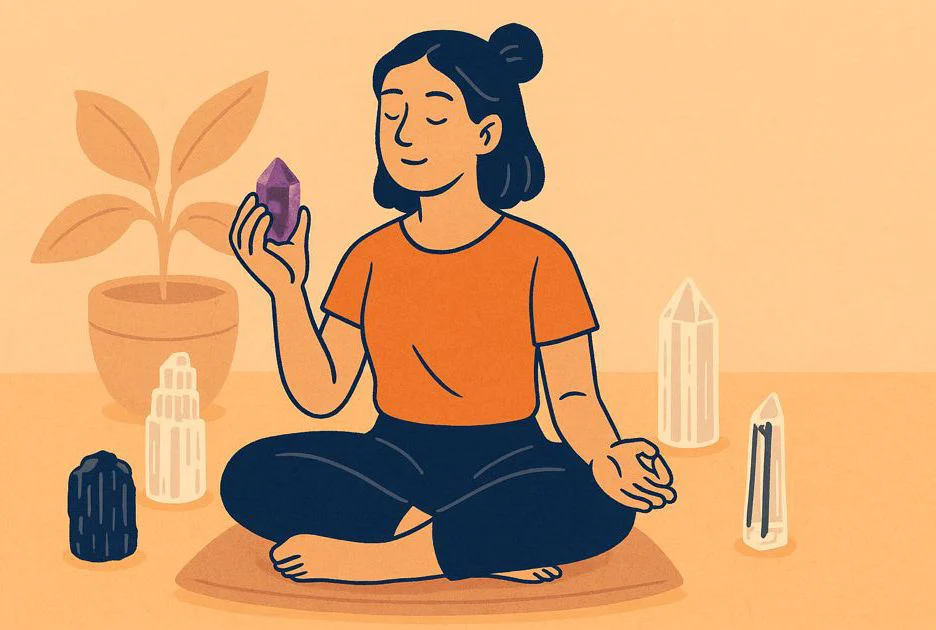
Many people say that meditation with crystals is just esotericism—but recent studies on mindfulness …
Box breathing stops stress immediately
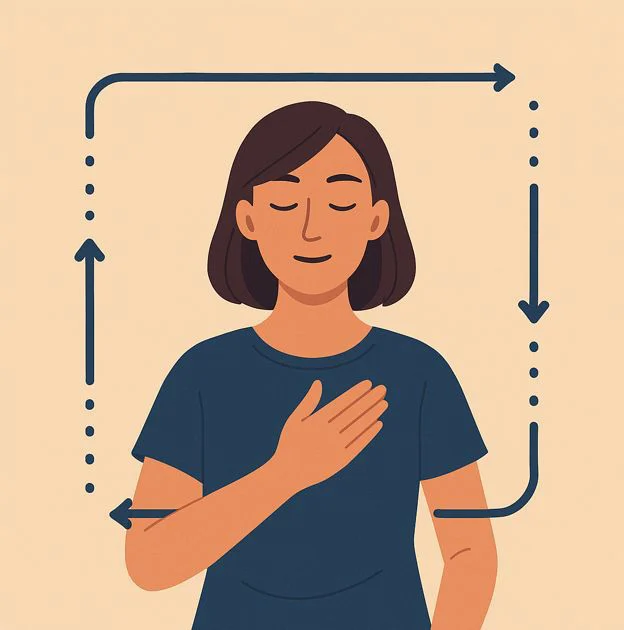
Most people breathe incorrectly—and that is one of the main reasons why meditation is often difficul…
5 Myths About Meditation: The Truth That’s Changing Your Life
Imagine you have a toolbox – but not for your bicycle or kitchen, rather for your mind. Meditation i…
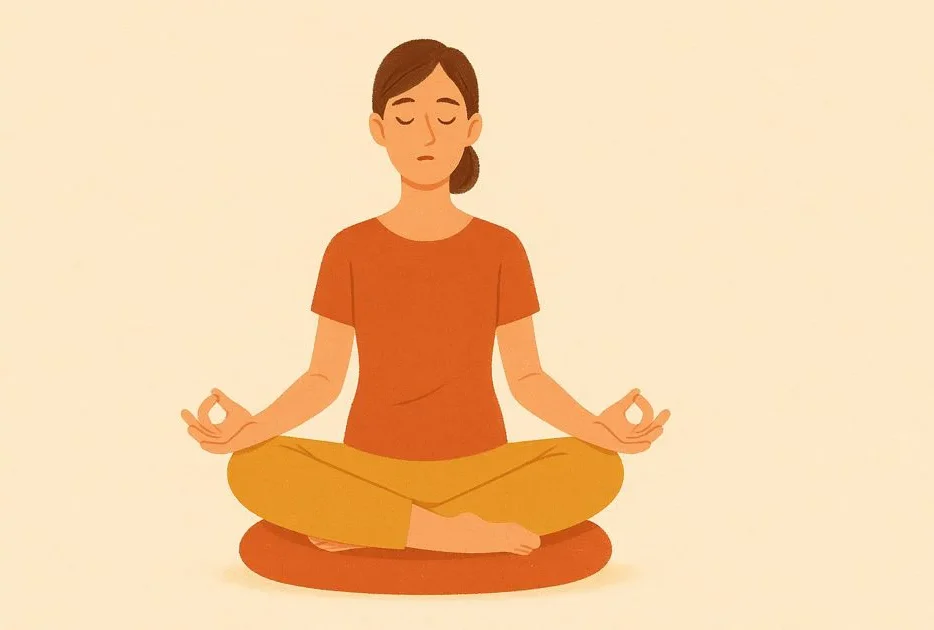
Meditate better – sit differently
Meditation does not begin in the mind, but in the body. Studies show that an upright spine creates a…
