

Do you think mindfulness means completely emptying your mind? Then hang on a minute: it’s precisely this idea that causes frustration and uncertainty for many people—and it’s a misconception. Today, I’ll show you what open awareness really is, how it feels, and three micro-exercises you can try right away. All of this will help you deal with stress, sleep, and focus more easily in your everyday life.
You will get a clear overview: First, we will look at how open awareness manifests itself as a feeling and attitude. Then we will do a short exercise before we look at what happens in the brain and in everyday life.
At first glance, open awareness may sound somewhat dry—almost like a technical term from a meditation book.
Table of contents
Open awareness: More than just a technique

Imagine sitting at a table with a cup of coffee. You feel the warmth of the mug in your hand, notice the bitter aroma, hear the quiet noise of the street, while a thought briefly pops into your head and then disappears again. All of this happens simultaneously, without you having to hold on to anything or push anything away. This is exactly what open awareness describes: a state in which you notice everything that is there right now—both inside and outside—and don’t have to change any of it. It is more than a technique; it is an attitude that accompanies you in your everyday life.
Many people think of mindfulness as a specific method in which you concentrate on your breathing and block out everything else. But open awareness works differently. It is about gently opening your attention so that sounds, bodily sensations, thoughts, and feelings can coexist. You can experience this state while washing dishes, walking through the city, or during a conversation—anywhere you are willing to perceive everything that arises for a moment.
To make open awareness more tangible, let’s look at three aspects: the feeling, the inner attitude, and an important difference from common myths.
Feeling: Open awareness often feels like spaciousness in the mind or space in the body. It is as if you are opening a window inside yourself. Suddenly there is more room for everything that arises—sounds, sensations, even doubts or restlessness. You don’t have to get rid of any of it or hold on to it particularly tightly. Many describe it as a quiet, gentle wakefulness that is not strenuous, but rather relieving. Sometimes it’s almost as if you’re taking a step back and allowing life to simply unfold for a moment.
Attitude: The core of open awareness lies in non-judgmental openness. This means allowing everything that is present in the moment to be there without judging or changing it. Whether it is a pleasant thought, an unpleasant feeling, or simply boredom—everything is allowed to be there for a moment. The attitude is curious, friendly, and gentle. It invites you not to force yourself, but to gently return again and again when you notice that you are losing yourself in judgments or plans. It is not about control, but about friendly observation.
Most popular products
-

Muladhara Balance
49,95 € -
Swadhisthana Flow
49,95 € -
Manipura Strength
49,95 € -
Anahata Harmony
49,95 €




Myths: Many people believe that open awareness means thinking about nothing or completely emptying the mind. That is not true. Thoughts are welcome—they can come and go without you having to hold on to them or push them away. The difference between this and traditional meditation is that with open awareness, you open up your inner space and invite in everything that arises. It is not an achievement, but a state that can arise even in the midst of everyday life without you having to make an effort.
An example from everyday life: You are standing at a traffic light, waiting. Perhaps you notice the cold on your skin, the hum of a car, a thought about your next task, and a slight tension in your neck. In open awareness, you let everything stand side by side for a moment. There is nothing to do, nothing to improve—just perceive what is there. This is precisely what distinguishes this attitude from many other forms of meditation, in which you often concentrate on one object and try to block out everything else.
Studies show that mindfulness practices can reduce stress levels and improve sleep quality; open awareness is an attitude, not a technical “tool.” It is not about mastering a perfect method, but about being curious about what the present moment has in store. Anyone can practice this openness—regardless of previous experience or meditation experience. Every little moment counts when you can pause and kindly notice everything that arises.
You may be wondering how you can practice open awareness in concrete terms. One simple technique is the so-called “3-senses exercise”: pause for a moment and focus your attention in turn on what you are hearing, seeing, and feeling. Let everything be there for a moment without judging it. You may notice sounds in the room, colors or light, the contact of your feet with the floor. Any thoughts and feelings that arise in the process are also welcome. The point is not to become particularly calm or to achieve anything—it is to invite everything that is there at that moment.
You can incorporate open awareness into your everyday life. When brushing your teeth, washing up, or even in a meeting—whenever you notice that you are falling into automatic habits, you can pause for a moment and open your attention to everything that is noticeable right now. Often, a conscious breath is enough to bring you back to this state. Over time, this develops into a new sense of serenity: you no longer have to control or evaluate everything, but can simply let life be as it is for a moment.
A common misconception is that open awareness is only possible in special or calm moments. In fact, you can practice this attitude anywhere—even in stressful or unpleasant situations. Especially when you are angry or impatient, a brief moment of open awareness can help you gain distance and see the situation in a new light. It is like creating an inner space before you react. You can perceive everything that is happening inside you and around you without having to react immediately.
Ein weit verbreiteter Irrtum ist, dass offene Achtsamkeit nur in besonderen oder ruhigen Momenten möglich ist. Tatsächlich kann man diese Haltung überall praktizieren – sogar in stressigen oder unangenehmen Situationen. Gerade wenn man wütend oder ungeduldig ist, kann ein kurzer Moment der offenen Achtsamkeit helfen, Abstand zu gewinnen und die Situation aus einer neuen Perspektive zu betrachten. Es ist, als würde man einen inneren Raum schaffen, bevor man reagiert. Man kann alles wahrnehmen, was in einem selbst und um einen herum geschieht, ohne sofort reagieren zu müssen.
At the beginning, it helps to remind yourself regularly to be mindful—for example, with a small signal on your cell phone or a note at your workplace. Pause for a moment, feel your breath, notice what is present in this moment without fighting it. These small prompts can be incorporated anywhere and make a big difference in everyday life over time.
The beauty of it is that open awareness is not incompatible with other forms of meditation. Rather, it complements them and can help you find more presence and serenity in everyday situations. Every moment you remain open strengthens your connection to yourself and the world—regardless of whether you are meditating or in the midst of everyday life.
Perhaps you have already tried various meditation techniques and are wondering how open awareness differs from other approaches—and whether it makes sense to combine the two. That is exactly what we are going to look at now.
Focused meditation vs. open awareness – two paths, one goal?

In everyday life, you encounter different ways of dealing with your attention – this becomes particularly clear when you compare focused meditation and open awareness. In focused meditation, you choose an object, such as your breath, and repeatedly bring your attention back to it. It feels like a mental anchor: inhale, you feel the cool air; exhale, you let go. Everything else remains in the background, and you patiently return to your breath when your thoughts wander. This sounds simple, but it is often challenging because the mind drifts quickly—and that is precisely part of the exercise.
Open awareness, on the other hand, is like an inner zoom that broadens your view. It’s not about following everything in detail, but rather giving space to everything that arises—noises, thoughts, bodily sensations, even boredom or restlessness. You don’t have to hold on to or repress anything, but rather allow everything to exist side by side for a moment. The difference is subtle but noticeable: in focused meditation, you train your ability to center yourself. In open awareness, you practice noticing everything without committing yourself.
Both approaches lead to greater presence and help you avoid going through the day on autopilot. They give you moments in which you can notice how you feel—without immediately reacting or judging. The goal is similar: greater clarity, inner peace, and a kinder attitude toward yourself. Nevertheless, there are differences that become apparent in everyday life.
Let’s look at three everyday situations:
When washing up, many things happen automatically—you may be thinking about the next task while your hands are in the water. Try focusing your attention on the contact between the water and your hands for ten breaths. Notice the temperature, pressure, and sensation of movement. You will notice that washing up becomes calmer, you react less to distracting thoughts, and you are more present in the moment.
When walking, you are often lost in thought, planning or brooding. Pause for a few steps and feel the weight of your feet on the ground, the rolling motion of your feet as you walk, and the sounds around you. Let everything be there for a moment without judging it. This little anchor gives you a better overview, you feel less driven and can experience the moment more consciously.
During a conversation, you may be preoccupied with what you want to say next, or you may be stuck on a comment. Take a moment during the conversation to feel your breath and notice the atmosphere in the room and your own bodily sensations. Allow everything to be there—words, thoughts, feelings. You will notice that you react less impulsively, listen better, and are generally more open to what is really happening.

How to find your perfect crystal
Choosing the right stone can be overwhelming at first – there is a huge variety available, and each …
According to studies, small, regular exercises like these—known as informal practices—are exactly what can contribute to long-term benefits such as better stress management and better sleep. It doesn’t always have to be a long meditation session. Even short, conscious moments in everyday life can make a difference and help you develop more serenity and clarity.
Another advantage of open awareness becomes apparent when you try switching between focus and expansiveness. Sit comfortably, close your eyes if you like, and focus your attention entirely on your breath for a few breaths. Feel the air coming in and going out. When thoughts arise, let them pass and gently return to your breath. This brings calm and centering.
After a few breaths, open your awareness as if you were continuing an inner circle. Now you don’t have to hold on to anything anymore—noises, thoughts, bodily sensations, everything is allowed to be there for a moment. Observe how that feels: Do you feel more space, perhaps a certain lightness? Does the mood in your head change? Many people report that after this expansion, they experience a new clarity and a feeling of freedom because nothing needs to be blocked out.
You can use both approaches flexibly in everyday life. In stressful situations, focus gives you stability and structure—for example, before an important conversation or when you want to collect your thoughts. If you want to let go after a long day, open awareness helps you to perceive everything that is on your mind without having to evaluate or change it. An evening walk can thus become a small practice: first, you consciously feel your breath or your feet on the ground, then you open your attention to everything that arises around you and within you.
The combination of focused meditation and open awareness makes you more flexible in dealing with thoughts, feelings, and sensory impressions. There is no one right way—both approaches support each other. With a little practice, you can sense which approach is good for you in which situation. Sometimes you need clarity and centering, sometimes expansiveness and openness. The important thing is not to put pressure on yourself, but to remain curious and try out what works for you.
Many people notice that these small exercises make them less reactive in everyday life. You no longer have to jump on every thought or feeling immediately. Instead, you have more space to consciously decide how you want to react. This gives you a feeling of control without having to control everything. The experience that everything is allowed to be there—even restlessness or doubt—takes away the pressure to be perfect.
A common misconception is that open awareness means thinking about nothing or being particularly calm. In fact, thoughts, sounds, and feelings are allowed to come and go. It is not about emptiness, but about expansiveness. Many describe the feeling after practicing open awareness as “clear but expansive”—the mind feels tidy, but not empty or rigid. Even when there are many thoughts, they are less oppressive. An inner distance emerges that allows for new perspectives.
Over time, it becomes easier to adopt this attitude even in difficult moments. Especially when you feel stressed or overwhelmed, a brief moment of open awareness can help you gain perspective and see the situation in a new light. You can perceive everything that is happening within you and around you without having to react immediately. This strengthens your inner resilience and helps you go about your daily life with greater serenity.
Perhaps you have noticed after such an exercise how your head feels completely different—clear, but somehow distant. This particular feeling is no coincidence, but reflects what happens in the brain during open awareness.
Clear but distant: What happens in the brain during open awareness

Imagine that focused meditation is like a flashlight that illuminates a single point brightly—everything else remains in the background. Open awareness, on the other hand, is like a lantern that gently and evenly illuminates the entire room, making everything visible without emphasizing anything in particular. These two approaches differ in their focus, in the type of exercise, and in when they are particularly helpful.
Focus meditation aims to improve concentration and stability. You choose an object, such as your breath or a mantra, and repeatedly bring your attention back to it. The method is clear: as soon as you notice your thoughts wandering, gently bring yourself back to your chosen focus. This is particularly useful if you experience inner restlessness or are easily distracted. Focus meditation helps you strengthen your attention span and find a calm anchor in everyday life.
Open awareness is about perceiving everything that arises in the moment—sounds, thoughts, bodily sensations, feelings—without holding on to anything or repressing anything. The method consists of opening your attention and allowing impressions to coexist. The goal is not control, but integration: you practice being present with everything without getting caught up in it. This is especially helpful if you are looking for more serenity in your everyday life or want to learn how to better deal with changing impressions and emotions.
In comparison, focused meditation trains your ability to consciously engage with one thing and notice distractions without following them. It is ideal for phases in which you need stability, for example when you are stressed or overwhelmed. Open awareness, on the other hand, helps you broaden your perspective and respond more flexibly to whatever life throws at you. It is particularly suitable if you want to practice being more present in your everyday life without having to control everything.
Most popular products
-
Sahasrara Connect
49,95 € -
Muladhara Balance
49,95 € -
Swadhisthana Flow
49,95 € -
Manipura Strength
49,95 €

According to research, both approaches complement each other perfectly. There is no one “better” system—rather, many people benefit from practicing both methods alternately or even in combination. You can find an example of this in many mindfulness-based programs such as MBSR: you start with a short phase of focused meditation to build stability, and then switch specifically to open awareness to broaden your attention.
Here is a short exercise sequence that you can try right away—it is simple but very effective and is also recommended in studies and courses: Sit comfortably and close your eyes if you like. Focus your attention exclusively on your breathing for one to two minutes. Feel the air flowing in and out. When thoughts arise, acknowledge them and gently return your attention to your breathing. After this phase, open up the space inside yourself: allow all sounds, bodily sensations, thoughts, and feelings to be there at the same time, without pushing anything away or holding on to anything. Stay in this open posture for two to three minutes. You may notice how your head feels clearer, your thoughts are less urgent, and a new clarity emerges.
The effects of these two modes can even be detected in the brain. During focus meditation, EEG patterns often show increased concentration and simultaneous calming. Typical characteristics include increased activity in the prefrontal cortex, which is responsible for planning and conscious control. This helps you to collect your thoughts and concentrate on a specific task.
With open awareness, on the other hand, the interaction between different networks in the brain changes. Activity is distributed more evenly, and areas associated with perception, integration of sensory impressions, and inner flexibility are activated. Researchers observe an increase in alpha and theta waves, which represent a state between wakefulness and relaxation. You are alert but not tense—the brain can take in impressions without immediately reacting or evaluating them.
These differences are also reflected in everyday life. After a period of focused meditation, it is often easier to stay focused on one thing—for example, when working or studying. After practicing open awareness, many people report that they react more flexibly to changing situations and are less preoccupied with individual thoughts or feelings. The ability to let impressions coexist helps you deal more calmly with stress, uncertainty, or even boredom.
It is important to emphasize that both approaches are valuable and have their time and place. Focused meditation is not a “preparation mode,” but rather a standalone tool that helps you find clarity and stability. Open awareness is not a “higher level,” but a different way of connecting with yourself and the world. Research shows that people who regularly practice both methods benefit greatly from the advantages—they develop both concentration and inner flexibility.
Perhaps you have noticed after such an exercise that your head feels clearer and at the same time more open. This is no coincidence: the networks in the brain learn to switch between focus and openness, depending on what is needed at the moment. Over time, it becomes easier to switch between these modes in everyday life—sometimes focusing specifically, sometimes perceiving everything openly. This not only makes you more relaxed, but also more adaptable in dealing with challenges.
One point that is particularly important for beginners: you don’t have to decide whether to practice only focus or only open awareness. It is perfectly normal to try both approaches and see what works best for you in each situation. Many people start with a short focus exercise to calm down and then open their awareness to everything that is present in the moment. This flexibility is a great advantage and takes away the pressure of having to “do everything right.”
You can consciously use this in everyday life: if you notice that you are losing yourself or feeling overwhelmed, a moment of focused meditation often helps—a few breaths in which you collect yourself. If you feel like everything is pressing in on you, try open awareness—let everything be there for a moment without reacting. Over time, this will create an inner calm that will carry you through many situations.
However, questions and uncertainties often arise, especially in open practice: What if thoughts don’t go away? Am I doing something wrong if I let myself get distracted? Many people experience doubts at first, compare themselves to others, or think they have to be calm and free of thoughts right away. This is completely normal—and this is exactly where it’s worth taking a closer look at how you can deal with these stumbling blocks.
The biggest beginner pitfalls—and how to charmingly avoid them
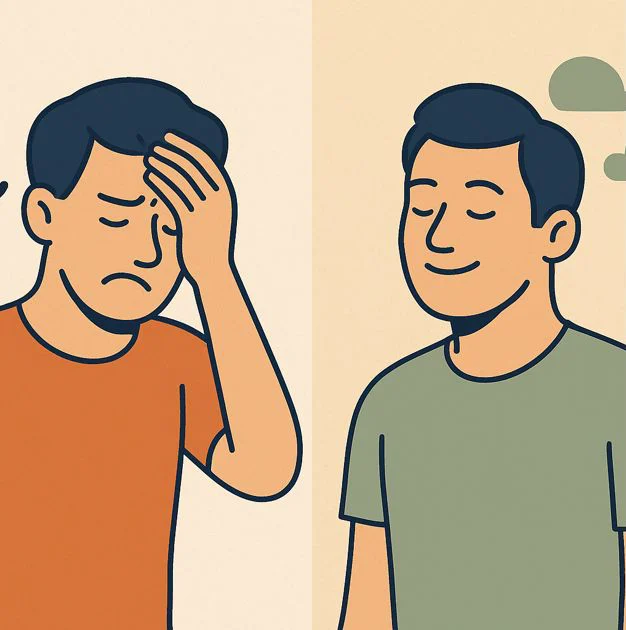
When you start practicing mindfulness, you will encounter typical beginner’s pitfalls that almost everyone is familiar with. Perhaps you have caught yourself thinking in the middle of a mindfulness exercise: “This works for everyone else, but not for me.” It is quite normal to feel uncertain—am I too restless, too distracted, do I simply think too much? Many people want to do it just right and then realize that their thoughts simply won’t give them a break. This can be frustrating, especially if you feel like you’re missing something fundamental or don’t have enough discipline. However, these doubts are not a sign that you are unsuitable—on the contrary, they are almost part of getting started with the practice.
A common stumbling block is trying to push thoughts away or ban them completely. Especially in the beginning, there is often a desire for peace and quiet in the mind. But the more you try to suppress thoughts, the louder and more persistent they seem to become. This is a very typical pattern: “Now my mind should be calm!” – and suddenly everything seems to get louder at once. This can quickly give you the impression that something is wrong with you or that you simply cannot meditate. This can sometimes lead to internal pressure to perform – but mindfulness is not a competition, it is an invitation to perceive everything that is there, including restlessness.
I still remember my own beginnings with open awareness. I sat there, determined to finally meditate “properly.” No thought should distract me anymore. But after a few minutes, my mind was already somewhere else, thinking about my next shopping trip or an old memory. Instead of inner peace, uncertainty arose: Did I not understand the technique? Am I lacking the right mindset? Especially in the beginning, it’s easy to forget that mindfulness is not a test of discipline. It’s about noticing everything—even restlessness or wandering thoughts.
An important change of perspective helps here: thoughts are not the problem. Our mind constantly produces thoughts; that is its nature. Many people believe that they can only meditate “properly” when everything is calm and empty. That is not true. The key is how you deal with your thoughts. Don’t try to control or suppress them. Accept that they are there. Imagine you are sitting at the edge of a river and watching your thoughts float by like leaves on the water. You don’t have to hold on to them or push them away—they come and go on their own.
What is the sacral chakra?
Many people think that chakras are pure fantasy or esotericism. However, studies now show that medit…
Another typical pattern is the expectation of immediate success. Many people want their thoughts to disappear quickly or for a special feeling to arise. But open awareness works differently: it is not about achieving something, but about perceiving what is there at the moment—whether it is restlessness, boredom, or even slight annoyance. This is precisely where the actual practice lies: “I am allowed to notice everything—including uncertainty, frustration, or doubt.” This is the moment when mindfulness unfolds.
Internal pressure to perform is also a common pitfall. Especially if you are used to working efficiently and flawlessly in everyday life, you quickly transfer this thinking to meditation. You may even compare yourself to others: “They can sit still for much longer,” “they look calmer.” But mindfulness is not a competition. There is no progress bar, no points. Every moment counts when you notice what arises—without being guided by judgments.
The fear of doing something wrong often creeps in anyway. The more you try to be free of thoughts, the greater the effort to maintain control becomes. But control and evaluation tend to distance you from open awareness. It helps to take a small step back. Imagine that you are a spectator in your own mind, observing what comes up: thoughts, sensations, emotions—everything is allowed to simply pass through your inner space.
At the beginning, it helps to actively notice judgments and let them pass. When a thought arises such as “That was useless again” or “I got sidetracked,” notice it, but don’t judge it further. Say to yourself internally, “Interesting, there’s a judgment. That’s okay too.” Even this small acknowledgment can be a relief. It takes away your fear of failure. Because the goal is to notice what is happening right now—and that is always possible, in every single moment.
When restlessness arises, try not to intervene immediately. Just let it be there. You can gently ask yourself, “How does that feel right now, without wanting to change anything?” If you feel tension in your body, notice it without judging it. If a thought keeps recurring, observe how it passes on its own as soon as you stop fighting it.
This relaxed approach of “observing instead of controlling” is not always easy at first, but it is worth it. Over time, a new basic feeling emerges: you become more open to everything that arises, and it loses its threatening nature. The inner pressure to do everything perfectly gives way to open curiosity. This is the true quality of open awareness.
Of course, there are days when thoughts and feelings are particularly intense. Frustration or doubt may also arise. But the same principle applies: everything can be observed. There is no “right” or “wrong,” no performance to be evaluated, and no end point you have to reach. Every day is different, every exercise is new. The more you engage with it, the easier it will be for you to pause briefly in your everyday life and notice: I don’t have to achieve anything right now, I don’t have to control anything, I don’t have to get rid of anything. It is enough to observe the moment—that alone will change how you deal with inner turmoil and self-doubt.
Over time, this attitude can extend to everyday life. In stressful situations or difficult conversations, you will notice more quickly how judgments arise—and how liberating it is not to take them seriously right away. This makes you more flexible and relaxed and promotes compassion—not only for others, but also for yourself.
You may be wondering what effect such exercises have on the brain. Evidence from brain research shows that regular practice can actually bring about measurable changes. Meditation is associated with measurements that indicate altered activity in prefrontal areas and reduced reactivity in emotional centers such as the amygdala—meaning that emotion management can improve. EEG studies show changes in the theta and alpha ranges after practice, which are often perceived as “clear but distant.” Even short programs can have positive effects on stress markers, sleep, and subjective well-being. Longer programs, such as eight-week MBSR courses, usually have more lasting effects. Studies report small to moderate improvements in stress, sleep, and blood pressure—the effects are often real but not huge and depend on how regularly you practice.
Even if the changes don’t seem huge at first, every little step makes a difference. It’s not about achieving perfect calm, but about pausing every now and then to take in everything that’s happening around you. You can practice this attitude no matter how busy you are—and that’s exactly what makes open mindfulness so suitable for everyday life.
Now the question arises: How can you incorporate open awareness into your everyday life without it becoming an additional task? There are simple micro-exercises that you can incorporate anywhere—whether you’re washing dishes, brushing your teeth, or sitting on the bus.
Micro-exercises for everyday life: Incorporate mindfulness everywhere

There are many opportunities in everyday life to practice mindfulness in a very simple way—even when things seem hectic. Micro-exercises help you to create little islands of openness without having to set aside extra time for them. This is exactly what makes open awareness so suitable for everyday use: it adapts to your life, not the other way around.
Before we look at a few practical examples, let’s briefly clarify four typical misconceptions that many people have at the beginning. First: “I don’t have to think about anything.” That’s not true. Thoughts are allowed to arise—they are a natural part of your experience. The key is not to empty your mind, but to observe what is there with curiosity. If you suddenly think about your next meeting while washing the dishes or have a catchy tune in your head while brushing your teeth, that’s not a mistake. The attitude behind it is: “Interesting, what’s coming up right now – I’ll just watch.”
Second: “I have to make a special effort to be mindful.” In fact, the opposite is often true: doing less is more. It’s not about forcing yourself or struggling, but inviting a friendly openness. When you notice that you are making an effort, remind yourself that you don’t have to achieve anything. Just let the experience be as it is for a moment. This takes the pressure off and makes it easier to return to it again and again.
Third: “I’m doing it wrong if I get distracted or restless.” This is also a myth. There are no mistakes in mindful practice—repetition is the key. Every moment you notice that you have strayed is already a success. The practice consists of gently returning again and again without judging yourself for distractions. It’s like training a muscle: the more you practice, the easier it becomes to remain open.
Fourth: “I need a lot of time to feel an effect.” In reality, just two minutes of daily practice can have an impact. Research suggests that even short interventions of 5 to 10 minutes can have positive effects—for example, less rumination before falling asleep after a six-minute exercise. However, the biggest and most lasting changes are more often observed after several weeks of regular and structured practice, such as in eight-week programs. The important thing is that even small sessions make a difference and are a good way to get started.
On Sale
-
Anahata Harmony
49,95 € -
Manipura Strength
49,95 € -
Muladhara Balance
49,95 € -
Sahasrara Connect
49,95 €
Now let’s take a look at how micro-exercises can be incorporated into your everyday life. Take washing up, for example. Instead of letting your thoughts wander, pause for a moment. Feel the warm water on your skin, the sparkle of the foam, the sound of the plates. When thoughts arise, briefly acknowledge them and then refocus your attention on what you are doing. This little exercise takes less than half a minute and can still make a difference—you will feel calmer, your head will be clearer, and the moment will feel less rushed.
Brushing your teeth is similar. Many people do this routine on autopilot. Try to take in all your sensory impressions for a few breaths: the taste of the toothpaste, the feel of the brush, the sound, your reflection in the mirror. You don’t have to feel anything special—it’s enough to gently bring your attention back again and again. This brings you into the here and now without you having to make an effort.
When you’re out and about, for example on the bus, you can practice open awareness by taking a moment to notice the sounds around you: the clatter of the tracks, voices, the hum of the engine. Maybe you notice how the seat feels or how the air smells. If your mind wanders, that’s normal. You don’t need to correct yourself, just return to your awareness of the moment.
One particularly simple technique is the 3-senses exercise: pause for a moment and ask yourself what you are currently hearing, seeing, and feeling. This could be sounds in the room, light reflections, or the contact between your feet and the floor. Let everything be there for a moment without judging it. Again, the point is not to become calm or particularly relaxed, but to notice everything that is there at that moment.
These mini breaks are easy to incorporate into your existing routines. Whenever you unlock your phone, wait for the kettle to boil, or enter a room, you can get into the habit of pausing briefly and taking two conscious breaths. Ask yourself, “What am I noticing right now?” Over time, this habit will become a natural anchor in your everyday life. You will notice that the day seems less hectic and you gain more control over your own reactions.
It is helpful to let go of the idea that every pause must be pleasant or relaxing. Sometimes the experience feels neutral or even unsettling. That is okay. The key is to give yourself a moment before reacting automatically. This small gap between stimulus and response is often the key to greater serenity.
Being mindful in everyday life doesn’t mean you have to control everything or be super “mindful.” It is enough to open your attention for a brief moment every now and then and allow everything that arises to be there—including doubts, restlessness, or boredom. With each attempt, your willingness to pause briefly and observe what is happening, even in stressful or unpleasant situations, will grow. Step by step, this will change how you deal with challenges.
You may be wondering whether this is really enough to help you become more relaxed in the long term. It’s worth taking a look at the research: studies show that even short exercises in everyday life – around six minutes in the evening – can lead to less brooding and better sleep. The most lasting effects usually become apparent after a few weeks of regular practice, especially if you incorporate the exercises in a structured and conscious manner. So there’s no reason to wait for the perfect moment or a lot of time. Every little step counts.
I have found that these micro-exercises are particularly helpful when everyday life becomes turbulent. A brief moment in which I consciously breathe or perceive the sounds around me can be enough to initiate an inner change of perspective. It’s not about changing everything immediately or making problems disappear, but rather about pausing for a moment every now and then and asking yourself: “How am I feeling right now? What am I noticing?”
Over time, this attitude will become more and more natural. You don’t need elaborate rituals or special conditions. It’s enough to simply open your awareness briefly from time to time and observe yourself kindly. This takes the pressure off and makes it easier to remain clear-headed and calm, even in challenging situations.
We will take a look at what this can look like in particularly stressful moments—for example, when you are standing at the supermarket checkout and everything around you is becoming hectic—in the next section.
Open awareness as the key to serenity

In everyday life, there are always moments when we feel overwhelmed by stress or sensory overload. This is precisely where open awareness can be the key to greater serenity. It’s not about avoiding difficult situations or suppressing unpleasant feelings, but about facing them with an open, friendly attitude. This practice helps you gain perspective and choose more consciously how you want to react.
To help you experience this for yourself, I would like to introduce four micro-exercises that you can use right away—whether you are sitting in the office, on the go, or need a break at home. Feel free to do the exercises along with me as you watch or listen. Each one takes only a few seconds to a maximum of two minutes and can help you find an anchor in your everyday life.
The first exercise is called “30-second stop & listen.” It is particularly suitable for moments when you feel rushed or stressed—for example, between two appointments, while waiting, or when you notice that your head is full. Sit down comfortably or simply stand still. If possible, close your eyes briefly or let your gaze soften. Now focus your attention solely on the sounds around you for 30 seconds. Try not to judge what you hear—just observe: voices, traffic, the hum of a computer, perhaps your own breathing. If thoughts arise, that’s okay. Gently return your attention to the sounds. After 30 seconds, open your eyes again or refocus your gaze. Briefly check to see if anything has changed.
The second micro-exercise is “Observing your breath like a friend – 1 minute.” This exercise is particularly helpful when you feel restless or like you are losing yourself. Sit upright with your feet firmly on the floor. Close your eyes if you like. Focus your attention on your breath, more specifically on the point at the entrance to your nose where the air flows in and out. Imagine greeting your breath like a good friend – in a friendly and curious way, without changing anything. For one minute, feel how the air flows in cool and flows out warmer. It is normal for thoughts to arise. Simply return gently to the sensation of your breath. After one minute, open your eyes and notice how you feel now.
What is the throat chakra?
I know this fear of holding back my own thoughts in conversations – out of concern that I will be…
The third exercise is “Walking Mindfulness – 2 Minutes.” It is ideal when you are on the move, for example on your way to work, during your lunch break, or while taking a walk. Start in a standing position and feel the weight of your feet on the ground for a moment. Then begin to walk slowly, without losing sight of your destination, but with the intention of consciously perceiving each step. Feel how your weight shifts from one foot to the other, how the ground beneath you gives way or is firm, what movements occur in your legs. If your mind wanders, keep bringing your attention back to the sensations in your feet. After two minutes, you can return to your normal gait. Many people report feeling more grounded and clear-headed after this mini practice.
The third exercise is “Walking Mindfulness – 2 Minutes.” It is ideal when you are on the move, for example on your way to work, during your lunch break, or while taking a walk. Start in a standing position and feel the weight of your feet on the ground for a moment. Then begin to walk slowly, without losing sight of your destination, but with the intention of consciously perceiving each step. Feel how your weight shifts from one foot to the other, how the ground beneath you gives way or is firm, what movements occur in your legs. If your mind wanders, keep bringing your attention back to the sensations in your feet. After two minutes, you can return to your normal gait. Many people report feeling more grounded and clear-headed after this mini practice.
Scientific studies show that it is precisely these short, regular micro-practices that can make a difference in the long term. How long you practice at a time is less important than consistency. According to studies, people who consciously pause for a few minutes several times a day benefit more than those who only meditate for a long time once a week. The positive effects range from less stress and better sleep to more self-compassion and serenity in everyday life.
You may be wondering how you can integrate these exercises into your day without them becoming an additional chore. A helpful trick is to combine them with existing routines: whenever you look at your cell phone, turn on the kettle, or wait at a red light, you can slip in one of the micro-exercises. Over time, these little islands of attention will become a natural part of your everyday life. You will notice that you can take a step back more quickly in stressful situations and react more consciously.
Many report that after a few weeks of regular micro-practice, they not only become more relaxed, but also respond more flexibly to challenges. The ability to pause for a moment and notice everything that is happening right now grows with each repetition. A new kind of inner spaciousness emerges: thoughts, feelings, and sensory impressions are given space without overwhelming you. You don’t have to control or change everything—it’s enough to remain present and observe kindly.
These exercises offer a simple way out, especially when you feel stuck in your head or caught in a whirlwind of thoughts. They help you to refocus and become more aware of the moment. It’s not about being perfect or always staying calm. What’s more important is that you allow yourself to notice everything—including restlessness, doubt, or anger. Over time, it will become easier and easier to remain calm even in difficult moments and not let external circumstances dictate your mood.
Perhaps you have already experienced that a short break in your daily routine is enough to initiate a change of perspective. Sometimes a single conscious breath or briefly noticing the sounds in the room is enough to bring you out of autopilot mode. This is precisely where the power of open awareness lies: it gives you the freedom to stay in the here and now, no matter what is happening around you.
But open awareness is not just a matter of the mind or thoughts. Many people forget how important the body is as an anchor for this practice. It is precisely through the senses and bodily sensations that you can experience this inner expansiveness even more directly. In the next section, you will learn how this works and why the body plays such a central role in it.
Discovering the body as an anchor: Sensual presence in open awareness

Many people associate open awareness primarily with clarity of mind or a certain state of mind. However, they often overlook how central the body is as an anchor for this practice. Especially when we lose ourselves in everyday life or are caught up in a whirlwind of thoughts, consciously returning to the body can make a real difference. The body is not only the “means of transport” for our mind, but also a constant companion that can reliably bring us back to the present moment—provided we pay attention to it.
If you have ever meditated for a long time or practiced mindfulness, you may be familiar with the feeling of your attention becoming increasingly focused on your mind. You sit there quietly, but inside your thoughts are racing. At some point, your impressions become blurred and the here and now recedes into the distance. This happens to many people and is not a sign of weakness, but a normal reaction of our mind: it wants to classify, evaluate, and understand experiences. In moments like these, it helps to consciously focus on your body again and involve it as a partner in the practice.
An easy way to get started: Imagine you are standing in the bathroom in the morning or waiting at a traffic light. Instead of losing yourself in your thoughts, pause for a moment. Feel the weight of your feet on the floor. Are there any spots that are cooler or warmer? How are tension and relaxation distributed in your legs? Even these small questions help you to shift your focus from your head to your sensory experience. No special ritual is required—often, a few seconds are enough to redirect your attention.
Conscious awareness of space can also help you use your body as an anchor. As you stand in the room or at the window, notice how much space there is around you. Feel your chest rise and fall as you breathe, or how your arms can spread out in the space. This experience of expansiveness, combined with gentle body awareness, brings you right back to the moment.
I remember a situation that made this very clear to me: I was standing at the supermarket checkout, it was crowded, the line was barely moving, and people were pushing around me. In the past, I would have immediately reacted with anger or impatience in such moments. But on that day, I consciously tried to focus my attention on my body. I felt my feet touching the floor, my breath flowing in and out calmly. My gaze wandered briefly around the room, and I noticed the sounds, the temperature, the weight of the shopping basket. After a few breaths, the restlessness hadn’t disappeared, but it had lost its terror. I felt like I was taking a step back and gaining a better overview. This is exactly what many studies confirm: mindfulness can dampen automatic reactions and increase the scope for action in stressful situations.
Another example from everyday life: When I lie in bed at night and my mind won’t settle down, it helps me to let my attention wander through my body. I feel how the mattress supports my back, how my hands lie on my stomach, how my breath moves in my chest. I often notice how tension is released and my mind gradually becomes calmer. It’s not about forcing a certain sensation, but simply feeling what is there at the moment—whether pleasant, unpleasant, or neutral.
In mindfulness research, there is something called a body scan, an exercise in which you slowly move your attention through your body and perceive all sensations without judging them. It doesn’t matter whether you feel warmth, cold, tingling, pressure, or nothing at all—everything is allowed. Over time, you will become more sensitive to your body’s signals and be able to recognize earlier when stress is building up or when it’s time to take a break. Studies show that people who regularly practice body awareness not only react more calmly to stress, but also become more sensitive to their needs overall.
An exciting area in this context is interoception—the conscious perception of internal bodily states such as heartbeat, breathing, or stomach feelings. Those who train this ability can perceive more quickly when something is becoming too much and take better care of themselves. This helps them not only to be present in their minds, but also to remain anchored in their bodies. Especially in challenging moments, the body then becomes a safe place of refuge.
In everyday life, many of these sensations are lost because we are so preoccupied with to-do lists, appointments, and thoughts. Yet this is precisely where the keys to true relaxation and clarity lie. Taking short breaks to consciously focus on your body can work wonders. It can be as simple as briefly relaxing your shoulders, becoming aware of your facial muscles, or taking a few conscious breaths, feeling the air flow in and out through your nose.
A practical tip: Next time you walk, consciously pay attention to the movement of your feet. How does your foot lift? Which muscles do you feel? Are there any sounds or vibrations? These small observations help to gently draw your attention to your body—without pressure, simply out of curiosity. It is normal for thoughts to arise. You don’t have to hold on to them or push them away; they often move on by themselves while you remain with the sensations in your body.
Over time, a natural shift develops: sometimes open awareness is stronger in the mind, sometimes it is more anchored in the body. Especially when brooding takes over or worries preoccupy you, the body can become the best anchor. The weight on the chair, your feet on the floor, the sound of your own voice—all of this can help you anchor yourself in the moment.
Whenever you want to pause in your daily routine, whether it’s while getting coffee, waiting at the checkout, or before going to bed, give your body a few conscious breaths of attention. Feel where contact is made, where tension eases, or how small movements arise. It’s not about controlling anything, but simply noticing: “Here I am, this is how it feels right now.” Often, this moment is enough to calm your thoughts and bring more clarity.
Every time you allow yourself to feel sensations without judging or trying to change them, the connection between your body and open awareness grows. You will notice that open presence is not purely a mental exercise—the body plays an active role in it. Especially in a daily life full of distractions, the body becomes your best friend for returning to the here and now.
Many report that this practice helps them notice stress or overload more quickly and take countermeasures earlier. Tension in your shoulders, butterflies in your stomach, or trembling fingers are not distractions, but valuable clues that help you stay present. Instead of just thinking about your day or your feelings, you practice getting in touch with your feelings and sensations—one of the most important foundations for lasting serenity.
With these little anchors, you are no longer just traveling in your head, but landing directly in the moment. This brings a new openness—to yourself, your body, and everything around you. Especially in turbulent times, this feels surprisingly stable and light at the same time.
Sometimes this feeling of vastness and connectedness is particularly evident when we are outdoors. Many people find that experiencing nature with open awareness has a particularly intense effect and opens up a unique path to peace and clarity.
Nature as an amplifier: experiencing open awareness outdoors
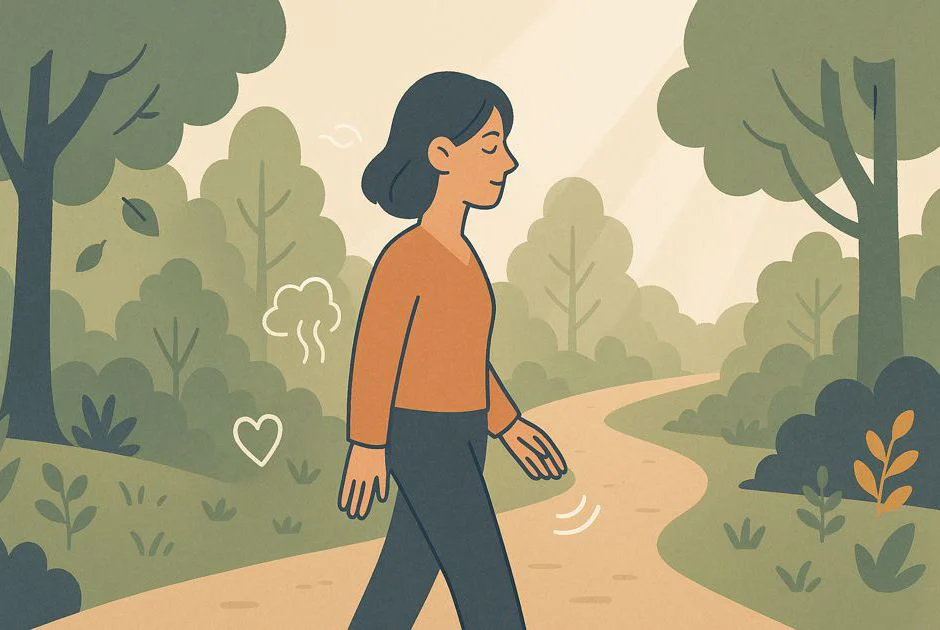
Outdoors, you can experience how open awareness and body awareness support each other. Nature not only offers you new impressions, but also a space where you can step away from pure thinking and arrive with all your senses. It is worth consciously utilizing this effect—and there are simple exercises you can try right away.
Let’s start with an exercise that uses your body as an anchor: “Feet on the ground.” Find a quiet place outside, perhaps on a meadow, a forest path, or even a paved square. Stand with your feet hip-width apart. Close your eyes briefly or let your gaze soften. For about 20 seconds, feel the weight of your body distributed across your feet. Where do you feel the contact with the ground most clearly? Are there differences between the right and left sides? Notice how the ground supports you. You may notice how your toes move or how your heels sink into the ground. Just stay with this sensation without judging it. If thoughts arise, let them go and gently return your attention to your feet. After about 20 seconds, open your eyes again and notice how your stance feels now.
A second exercise that takes you out of your head and into sensory experience is the “space-distance scan.” You don’t need much time for this—30 seconds is enough. Stand outside, preferably with some space around you. Now focus your attention on the space around you. How far can you see? Are there trees, houses, open spaces? Notice the lighting conditions: is it bright, shady, does the light flicker through the leaves? Feel how the space around you affects you – does it feel wide or rather limited? Breathe in and out calmly and let your gaze wander without focusing on details. You may feel a sense of spaciousness with each breath. You can guide this little exercise with your voice: “Let your gaze soften, notice the distance, feel the spaciousness around you.” After 30 seconds, slowly bring your attention back to yourself.
The underestimated power of breathing – why less is often more
Why do we say, ‘Take a deep breath’ when we’re stressed? Many people think it brings immediate…
Both exercises help you make the transition from thoughts to sensations. This is often easier in nature, because the environment offers fewer distractions from digital stimuli and provides many subtle sensory impressions. If you like, you can combine these exercises: first, feel your feet on the ground, then open yourself up to the space around you. After just a minute, you will notice how your experience changes—your head becomes clearer, your body feels more present, and your surroundings become more vibrant.
Research shows that body scan elements such as these can measurably strengthen the ability to interocept, i.e., to consciously perceive internal bodily states. Studies have shown that people who regularly practice such exercises are better able to modulate their stress responses. In concrete terms, this means that you notice tension earlier and can consciously counteract it—for example, by taking a deep breath, making a small movement, or consciously perceiving points of contact. This has a positive effect on your well-being and can help you deal with challenging situations more calmly in the long term.
Even short sessions lasting only 20 to 60 seconds are enough to experience this effect. It is important that you allow yourself to be completely in the moment – without pressure to perform, without a goal. The exercises can be easily incorporated into walks, breaks, or even short journeys in everyday life. You can also guide them spontaneously by directing your attention to specific sensory impressions in a calm voice: “Feel the ground beneath your feet. Notice the space around you. Just let the sounds, light, and temperature be there for a moment.”
Many report that after such mini-breaks, not only does their mood improve, but their sense of connection with their surroundings also grows. Nature is no longer perceived as mere backdrop, but as an active part of your experience. A bird call, the rustling of leaves, or the play of light and shadow become anchors that bring you back to the here and now. Especially when you feel stressed or overwhelmed, this return to sensory perception can act as a little reset.
Another advantage: by consciously integrating your body and the space around you, you create a bridge between your inner and outer worlds. You are no longer just an observer, but part of the whole. This experience of vastness and openness is often subtle, but it remains palpable—sometimes as quiet contentment, sometimes as quiet joy that doesn’t have to be loud to be effective.
Even if you don’t have much time, you can still use these techniques. Just consciously stepping outside, pausing briefly on the balcony, or opening a window is enough to activate your senses. The combination of open awareness and body awareness turns even the shortest time spent outside into a mini practice that strengthens and centers you.
If you practice regularly, you will find that this form of presence also carries over into other areas of your life. You will notice sooner when you lose yourself in your thoughts and find it easier to reconnect with your feelings. Nature supports you in this because it always offers you new anchors: the feeling of wind on your skin, the scent of earth, the changing light. All you need is the willingness to pause for a moment and notice what is there right now.
It is worth incorporating these little exercises as a regular part of your walks or breaks. You can do them on your own or lead them with others—for example, on a family outing, with friends, or even as part of an outdoor meeting. It is important to remain open to whatever arises and not put pressure on yourself to feel something special. Sometimes it is simply calmness, sometimes a feeling of clarity, sometimes an unexpected smile that arises from the moment.
Over time, you will notice that this type of awareness not only creates small islands of relaxation outdoors, but also in everyday life. The ability to switch from thinking to feeling grows with each repetition. You will become less dependent on external conditions and will be able to pause briefly and refocus even in stressful moments.
You may be wondering whether such subtle changes are really enough to have a noticeable impact on your well-being. In fact, many people report that it is precisely these small, sensual moments that make a lasting difference—not as a big “aha” moment, but as a quiet, steady joy that becomes anchored in everyday life.
Change doesn’t always have to be spectacular to have an impact. Often, it is the quiet, inconspicuous joy that arises from the vastness of the moment and lingers long afterwards.
Silent joy in the vastness of the moment

In the midst of everyday life, when you consciously pause and let your surroundings sink in, a new form of joy often opens up—not loud, but quiet and carried by a special expansiveness in the moment. That’s exactly what it’s all about right now: quiet joy in the expansiveness of the moment.
Many people associate happiness with intense experiences, extraordinary events, or strong emotions. However, open awareness shows that joy does not always have to be spectacular. It often arises quietly, almost unnoticed, when you allow yourself to simply perceive what is happening in the moment. It is a happiness that does not impose itself, but slowly and steadily enters everyday life – with the first light of dawn, in a quiet moment at breakfast, or with a deep breath in between. This joy is not the result of effort or control, but grows from letting go and openly allowing the moment to happen. Translated with DeepL.com (free version)
This effect is particularly evident in nature. The variety of sensory impressions—the chirping of birds, the rustling of leaves, the smell of earth, or the play of light and shadow—acts as an amplifier for open awareness. When you are outside, it is often easier to switch from your head to immediate experience. Your surroundings constantly offer you new anchors that you can perceive with all your senses. Studies show that the combination of mindfulness and experiencing nature often enhances the quality of your experience. Spending time in nature and practicing mindfulness often have a synergistic effect: your senses open up, your mind becomes calmer, and you become aware of your inner space. Translated with DeepL.com (free version)
Best-selling products
-
Muladhara Balance
49,95 € -
Swadhisthana Flow
49,95 € -
Manipura Strength
49,95 € -
Anahata Harmony
49,95 €
Perhaps you have already experienced how a walk in the woods or park can take your mind off things. If you need an example, imagine walking slowly through nature for five minutes. As you walk, consciously open your senses. Try to perceive three things in each sensory modality—hearing, seeing, feeling. You hear the wind, the distant call of a bird, and the crunch of your footsteps. You see the light on the leaves, the movement of the branches, the colors along the path. You feel the ground beneath your feet, the temperature of the air on your skin, perhaps the weight of your jacket. This little exercise takes barely more than five minutes, but it brings you right into the here and now. You can incorporate it at any time—during a walk, on your way to work, or during a short break in the countryside. Translated with DeepL.com (free version)
It is precisely this diversity of sensory impressions in nature that acts as a catalyst for open awareness. While the same stimuli often dominate in closed rooms, nature offers a wealth of details that you can discover again and again. This makes it easier to focus on what is there right now and not get lost in your thoughts. A feeling of spaciousness arises that extends not only to the space around you, but also to your inner state. The joy that arises from this is quiet, but it has a lasting effect—it often stays with you long after your walk is over.
Research also supports this impression. Evidence from studies shows that mindful spending time in nature not only increases subjective well-being, but can also reduce stress and promote the perception of joy in everyday life. The effects vary from person to person, but many report a subtle, lasting satisfaction that does not come from spectacular moments, but from openness to what is happening right now.
This quiet joy needs no special occasion. It arises when you allow yourself to perceive everything for a moment without judging or wanting to change anything. This can be in the morning with your first sip of coffee, in the evening when looking out of the window, or simply in between when you pause for a moment and breathe. It is a quality that grows stronger over time the more you practice staying open. You don’t have to do anything special—it’s enough to be present and open your senses.
Some people expect mindfulness practice to bring about big moments of revelation or intense feelings of happiness. In reality, lasting satisfaction usually comes quietly and unspectacularly. It grows from many small experiences that add up in everyday life. Those who practice regularly notice that they derive more joy from seemingly ordinary things: a ray of sunshine, the feeling of wind on their face, the sound of raindrops on the window. These moments are often inconspicuous, but they form a stable foundation that can carry you through stressful times.
An important aspect of this is letting go of control. As soon as you stop searching for special sensations or trying to change the moment, space is created for this quiet joy. It is not a goal you have to achieve, but a by-product of an open attitude. This also means that there is no “right” or “wrong” way to experience this joy. Every moment in which you are open to what is happening right now can bring forth this quality.
Many report that after practicing for some time, they are less dependent on external circumstances to feel content. Joy becomes less dependent on success, praise, or special experiences. It arises from contact with the present moment—from the willingness to allow everything that arises to happen. This can be uncertainty, joy, boredom, or even slight restlessness. It is precisely the acceptance of all sensations that paves the way for deeper satisfaction.
If you want to cultivate this quiet joy, you don’t need complicated techniques. One simple way is to regularly focus on your senses for a few breaths: What am I hearing right now? What do I feel in my body? What do I see? These little check-ins help you find your way back to the here and now. You can incorporate them anywhere—in the morning after waking up, during a short break at work, or in the evening before going to bed.
It is precisely in stressful or difficult times that the value of this quiet joy becomes apparent. It offers you an anchor when your thoughts are racing or your mood is fluctuating. You don’t have to wait for everything to be perfect. On the contrary, the ability to find a moment of openness even in challenging moments strengthens your inner stability. Over time, this practice becomes a habit that accompanies you throughout the day—quietly but steadily.
It is normal for this experience to feel unfamiliar at first. Many people wonder whether they are practicing “correctly” or whether they are noticing anything at all. The key is to stick with it and take frequent short breaks, during which you observe what is happening around you with an open mind and curiosity. There is no goal you have to achieve—every moment counts.
If you like, try this short exercise on your next walk or simply in between activities: Walk for five minutes, open your senses, and notice three things in each sensory modality. You may be surprised at how your experience changes when you consciously open your senses and don’t try to force anything. Perhaps after a short time, you will feel a quiet joy setting in—not as a big feeling, but as a calm undertone that accompanies you.
This form of joy is a gift that arises from the practice of open awareness. It is not spectacular, but it makes a real difference in everyday life. Every time you engage with the moment, this inner spaciousness and serenity grows.
If you’re wondering how you can incorporate this approach into your day, there’s an easy way to get started right away.
How to get started right away: Your personal micro-exercise
When you are new to open awareness, the first steps often feel unfamiliar. Many people think that meditation always requires a lot of time, peace and quiet, and a specific posture. But even a few minutes are enough to anchor yourself more consciously in the moment. It is important not to put pressure on yourself, but to remain open to whatever arises. Let’s try out together how you can get started right away with a simple micro-exercise – regardless of whether you are just beginning or have been practicing for a while.
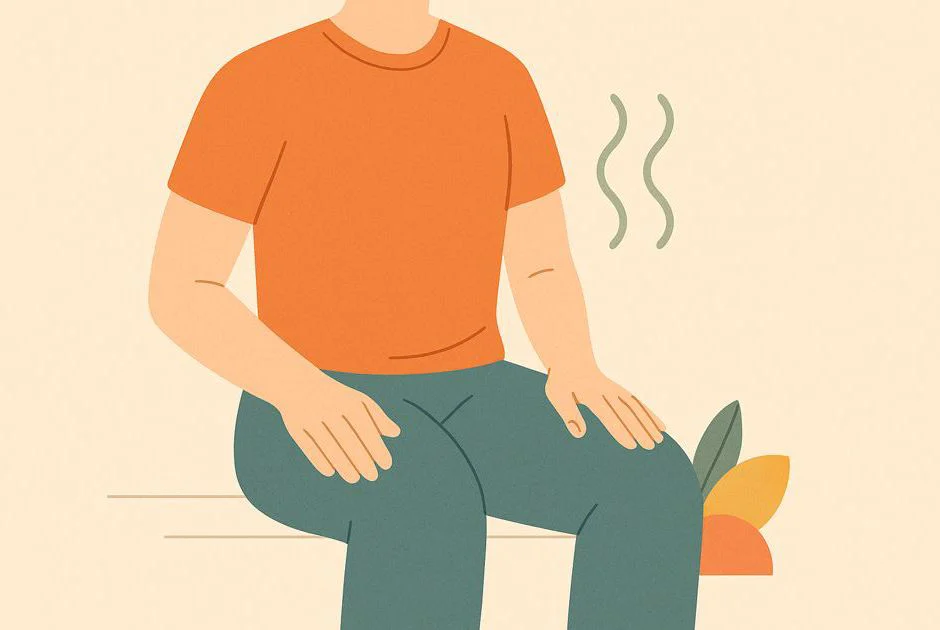
Choose a place where you can sit comfortably right now. This could be a kitchen chair, the sofa, or your favorite spot by the window. It doesn’t matter how meditative the place seems—the important thing is that you can relax for a short moment. Sit upright with both feet firmly on the floor and your hands loosely in your lap or on your thighs. If you feel comfortable, close your eyes to reduce distractions. However, you can also do the exercise with your eyes open, whichever suits you best.
Start with three conscious breaths. Breathe in deeply and feel the air flowing through your nose, how your shoulders may relax a little as you breathe out. It’s not about controlling your breathing or doing it particularly correctly. Just let it come and go as it happens. You may notice your belly rising and falling or your chest expanding. These first breaths help you to arrive in your body and gently shift your attention from the outside to the inside.

Amethyst – Stone of Spirituality
In this blog post you will get an honest insight into how amethyst is used in meditation – wit…
After these breaths, gradually open your awareness. Imagine opening a window inside yourself that allows you to perceive everything that is present in this moment. Notice sounds—the hum of a refrigerator, voices from outside, birds chirping, or the noise of traffic. Feel the contact of your feet with the floor, the temperature of the air on your skin, the touch of your clothes. Thoughts may arise—memories, plans, everyday worries, or small joys. Feelings may also arise, from quiet restlessness to a brief moment of contentment.
The key to this exercise is that you don’t judge or try to change anything. Everything is allowed to be there—noises, physical sensations, thoughts, and feelings. If you notice that a thought is holding you back or you want to categorize something, just acknowledge it and let it pass. There is nothing to achieve and nothing to optimize right now. Every impression that arises is part of this moment. This is how your mind learns to let go of control and judgment—and that is precisely the key to greater openness and inner peace.
After just one or two minutes, many people feel their thoughts becoming quieter and their body becoming more anchored in the here and now. For beginners, it often takes just a few moments to notice the first effects. Even advanced practitioners use this exercise as a little reset, especially on days when their head is full or their mood is fluctuating. Over time, open awareness becomes a quiet support that carries you through even the most hectic moments.
Why does this little routine have such a lasting effect? It trains your ability to remain open and present—even when everyday life is hectic. You give your mind the chance to “air out” for a moment instead of getting lost in the stream of thoughts. This not only strengthens your perception, but also your inner stability. You become more flexible, react more calmly to stress, and gain distance from impulsive reactions.
Particularly practical: this micro-exercise can be incorporated anywhere. You can do it at the breakfast table, before an important conversation, on the bus, or even during breaks at work. Two or three conscious breaths and then opening your attention to everything that is happening right now – that is often enough to feel a difference. No elaborate ritual or fixed routine is required. The more mundane the situation, the more beneficial it is to practice openly.
You may think that open presence requires a lot of discipline or special prior knowledge. But the opposite is true: with each repetition, the exercise becomes more natural. After just a few days, you will often notice that you feel more aware—even in moments when you are stressed or short on time. The pressure to do everything right decreases. You begin to perceive yourself more as an observer instead of constantly being carried along by events. This is precisely the basis for inner peace and serenity—not only when sitting, but everywhere in everyday life.
In the long term, this technique helps to sharpen your perception and allow for a wider range of sensations. Over time, you will notice how easy it becomes to perceive moods, thoughts, or bodily signals without immediately analyzing them or trying to get rid of them. A feeling of expansiveness arises: everything is allowed to come and go, yet you remain open and present.
An important point: spaciousness often arises precisely when control and evaluation diminish. When you stop trying to classify or change everything, a quiet joy remains—not loud, but constant. Many report that this quiet contentment becomes increasingly noticeable in everyday life. Research findings from long-term studies confirm that regular practice can promote such changes. Especially in longer programs such as MBSR over eight weeks, qualitative studies show that well-being, compassion, and the ability to cope with stress can be improved in a lasting way. Short exercises often have immediate but rather small effects—they are a good introduction and help to anchor the practice in everyday life.
It doesn’t matter how much experience you have or what meditation techniques you’ve used in the past. The value of this micro-exercise lies in incorporating it into your everyday life again and again—not as a chore, but as an opportunity to rediscover yourself. Sometimes the experience remains silent, sometimes a subtle joy or lightness emerges after a few repetitions. The important thing is that you give yourself these moments again and again, without forcing anything.
Being able to approach every situation with open awareness feels more and more natural over time. The more often you allow yourself these moments of awareness, the more stable and relaxed you will become in dealing with yourself and your environment. Your body will become more alert, thoughts will pass more easily, and even difficult moods will gradually lose their power. This mini exercise is your invitation to start right away—not sometime, but right now.
If you like, try it out right after watching this video: Sit down for a moment, close your eyes, take three conscious breaths, and then open your awareness to everything that is there right now. You don’t need to achieve anything. Just observe what changes and how your open awareness develops—without any pressure and without striving for perfection.
Each of these small steps counts. There are no mistakes, only new experiences. Whether you feel restlessness, joy, or doubt—everything is allowed to be there without you having to judge yourself for it.
Open awareness – your invitation to the vastness

Open awareness invites you to experience everyday life with more spaciousness and serenity. Today, you learned how to get started right away with simple micro-exercises such as 1–2 minutes of breath focus and 2 minutes of open awareness—for example, as a little routine in the morning or evening. Openness arises when control and evaluation subside. Studies suggest that regular practice can promote subtle but stable satisfaction.
I’m curious: Which of the exercises presented would you like to try first? Feel free to write your answer in the comments below. If you find this exercise helpful, please give it a like and subscribe to the channel so that I can share more everyday techniques with you.
Frequently asked questions about open awareness and mindfulness in everyday life
What is open awareness in mindfulness?
Open awareness describes a state of mind in which you perceive everything that is happening in the moment without judgment—thoughts, feelings, and sensory impressions. No pressure, just noticing.
How does open awareness meditation differ from focused meditation?
While in focused meditation you repeatedly return to a specific object such as your breath, in open awareness you perceive everything at once without directing or blocking anything out.
What are the benefits of open awareness in everyday life?
More serenity, less stress, faster recovery, and the feeling that everything is allowed to be there. Research shows: fewer reactive responses and a better quality of life.
Can I practice open awareness without meditation?
Absolutely! You can do micro-exercises such as the 3-senses exercise or conscious breathing while brushing your teeth at any time. Short breaks are particularly effective.
What are the most common beginner mistakes in open awareness?
Viele glauben, sie müssen nichts denken oder perfekt ruhig sein. Dabei geht es gerade darum, alles zuzulassen – auch Unruhe oder Zweifel sind willkommen.

