

Be honest: have you ever noticed how quickly stress raises your pulse? That’s exactly where meditation comes in – like a training program for your nervous system. Studies show evidence of moderate effects – not miracles. Meditation can have a positive impact on blood pressure and inflammation levels if you stick with it regularly. And it all works without any esoteric nonsense – as a complementary practice that you can incorporate into your everyday life.
But don’t expect immediate results: measurable changes often take a few weeks of daily practice. Why not try the 1-week mini challenge: meditate for five minutes every day and write me a comment about how you feel.
Let’s take a step-by-step look at exactly how meditation affects your body and what happens in the background.
Table of Contents
The silent influence: How meditation relaxes you, your heart, and your blood vessels
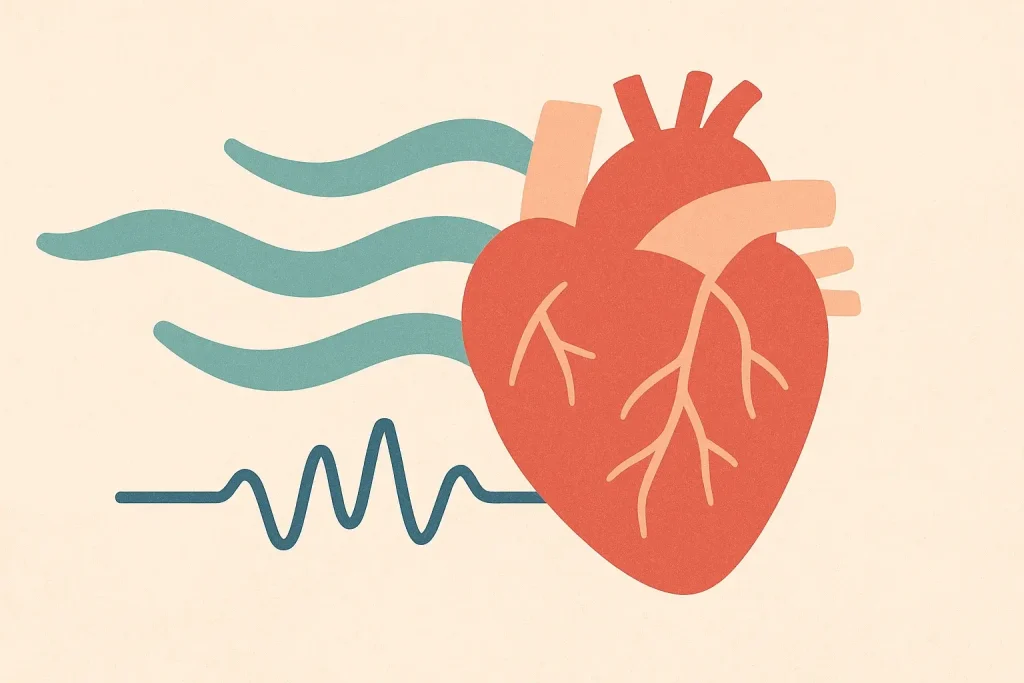
Imagine your heart working like a reliable engine—mostly unnoticed, but always there. As soon as you experience stress or switch off, the rhythm changes. This is exactly where meditation comes in: it’s like a little reset button for your system. It may sound simple, but researchers have found measurable effects on the heart and blood vessels when people meditate regularly. So it’s not just about “switching off your thoughts,” but about real changes in the body.
Your body has a built-in stress relief system: the parasympathetic nervous system. Meditation gives it the green light to kick in. When you sit down, focus on your breathing, and block out everything else for a few minutes, the following happens: your breathing slows down, your pulse drops, and your blood pressure regulates itself. This is not magic, but biology—you reduce the activity of your stress system, your heartbeat slows down, and your blood vessels relax. This is exactly what many studies show: those who meditate regularly can notice a small but noticeable change after just a few weeks.
Popular products
-

Sahasrara Connect
49,95 € -
Muladhara Balance
49,95 € -
Swadhisthana Flow
49,95 € -
Manipura Strength
49,95 €




To give you an idea of the figures: meta-analyses and reviews have found that systolic blood pressure in people who meditate regularly drops by an average of around four mmHg. Diastolic blood pressure can also decrease measurably, sometimes even significantly. The effects are usually strongest in people who already have high blood pressure or are older. Important: The results vary depending on the technique and quality of the study—not every method works the same, and the effect is not the same for everyone. The American Heart Association therefore refers to “possible” benefits—meditation is not a miracle cure, but a useful building block for your health.
The great thing about it is that you don’t need expensive equipment or complicated routines. Just ten minutes a day is enough, and you can get started right away. The more often you stick with it, the easier it becomes—and the positive effects on your heart and circulation are often noticeable after just a few weeks. For advanced practitioners, it’s worth taking a look at programs such as MBSR (Mindfulness-Based Stress Reduction). These combine meditation, gentle yoga, and mindfulness in everyday life and have been studied in many trials.
Make meditation a regular part of your daily routine—small steps are enough to improve your health. Stay curious and keep at it!
If you’re wondering how to get started, I’ll show you a simple breathing exercise that you can try right away. It’s a great way to calm your nervous system and put your body into relaxation mode. It’s not about being perfect—even small steps make a difference.
So stick with it, because meditation doesn’t just affect your heart and circulation. It also influences other processes in the body that you may not directly feel—such as inflammation.
Inflammation under control: What happens in your body when you meditate
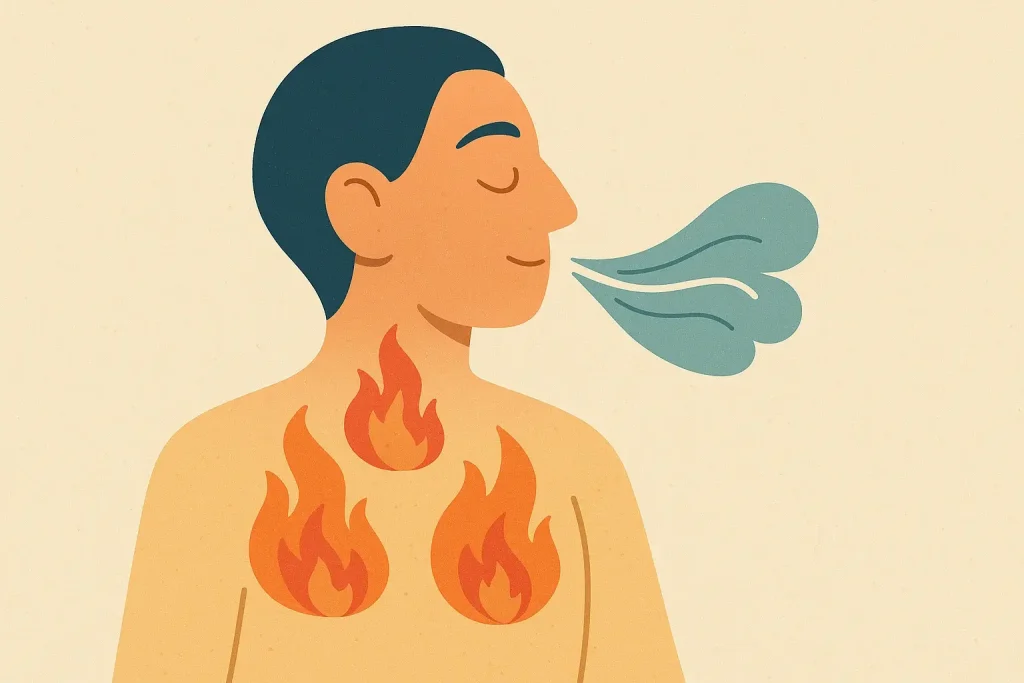
Imagine stress is like a tiny spark that spreads unnoticed throughout your body—not always visible, but noticeable. Many people don’t even notice how often they actually have internal inflammation: sometimes you feel tired, sometimes you are irritable, or you get sick more often. All of this can be related to these invisible processes. This is exactly where meditation comes in. It not only works in your mind, but deep within your body, where it can influence your stress responses.
Studies often show a reduction in CRP in some studies, while IL-6 usually shows no consistent change; the findings are mixed and not universal. You can think of CRP as a smoke detector: if something is smoldering somewhere in the body, it sounds the alarm. If this value drops after a few weeks of meditation, it means that your body is better able to cope with stress and minor inflammation. However, the effect is not the same for all people and not for every inflammation marker. There are also studies that find no change. This means that meditation is not a panacea, but it can be a helpful tool in everyday life.
What is the heart chakra?
Many people talk about the heart chakra, but hardly anyone knows how it really feels in their everyd…
Another exciting point: meditation can even affect the control center of your cells. Initial findings show possible changes in gene regulation (e.g., lower methylation of certain stress genes), but this is preliminary and requires further research. Scientists are also looking at whether meditation affects telomeres, the protective caps on your chromosomes. Some studies report increased telomerase activity or more stable telomeres, while others find no effect—the picture is inconsistent so far. But one thing is clear: with regular meditation, you train your body to deal with stress more calmly.
How can you use this to your advantage? Reductions in individual inflammation markers were observed after several weeks of regular practice—so stick with it and don’t give up after two days. My tip: Try a short body scan or a simple breathing exercise every day for a week. See if you notice less tension in your neck or a general feeling of lightness in your body after a few days. Write it down or share it in the comments – this will help you stay motivated and get a feel for the small changes.
For advanced practitioners, it is worthwhile to try out different meditation techniques, such as mindful body scans or targeted breathing exercises. The important thing to remember is that it is not about immediate miracles, but about gradually training your inner balance.
With a little practice, you can not only calm your mind, but also help your body respond better to stress. And that’s particularly exciting when it comes to pain—because meditation has surprising effects here too.
Pain management without magic tricks: How meditation reprograms your body
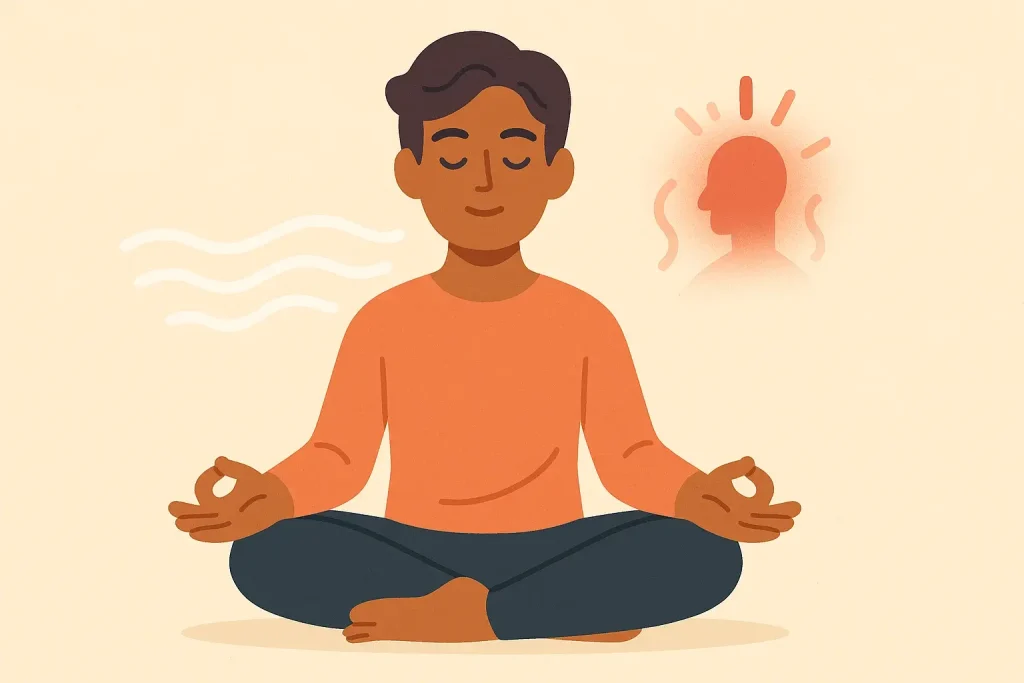
Imagine pain as an annoying beeping sound that always starts when you actually need a break. A disruptive sound that slows you down in everyday life and steals your concentration—and the more you try to ignore it, the louder it seems to get. Many people then resort to distraction or grit their teeth. But let’s be honest: in the long run, this rarely brings real relief. The pain remains stubbornly in the background, like a bicycle that squeaks with every kilometer.
This is where meditation comes in—not as a magic trick, but as a new way of dealing with the interference signal. It’s not about simply thinking away or suppressing the pain. Instead, meditation starts where your brain decides how loud the pain is perceived to be. Studies show that meditation can reduce pain perception and tolerance, especially through altered brain processing; however, the effects vary and do not replace medical pain therapy. Imaging studies show altered activity in areas that process pain (e.g., ACC and insula) — this correlates with less intense experience.
vegan meditation cushions
-
Anahata Harmony
49,95 € -
Manipura Strength
49,95 € -
Muladhara Balance
49,95 € -
Sahasrara Connect
49,95 €

The key point is that trying to suppress pain often leads to a vicious cycle. Mindful awareness works better—you learn to perceive the pain without immediately going into alarm mode. This gives you back a degree of control because you no longer automatically react to every signal with stress.
What does this look like in everyday life? You don’t need any complicated techniques. Try this mini exercise: Sit comfortably, close your eyes, and simply observe your breath for one to two minutes. Then, for two to three breaths, gently direct your attention to the area where you feel pain. Continue to breathe calmly and observe what changes—without judging, without pressure. The whole thing takes no more than five minutes. The point is not for the pain to disappear immediately, but for you to learn to perceive it differently.
Many report that after a few weeks of regular meditation, they are better able to cope with their symptoms. Especially in cases of chronic pain, life can become a little easier again—even if the pain does not disappear completely. The techniques are simple: breath focus, body scan, or guided meditations. For advanced practitioners, a mindful body scan is worthwhile, in which you go through your body piece by piece and perceive everything that comes up – without judging.
An important note: Meditation can help reduce the need for pain medication—but only in consultation with your doctor. Never stop taking medication on your own. Everyone reacts differently, and meditation is not a substitute for medical treatment.
With a little practice, you will notice that small changes in how you deal with pain are possible—and this can also have an impact on other areas of your well-being. Keep at it, try out what works for you, and give it time. Even just a few minutes a day can make a difference.
And we’ll take another look at how you can incorporate these little routines into your everyday life in a very practical way.
Small practice, big impact – but no miracle cure
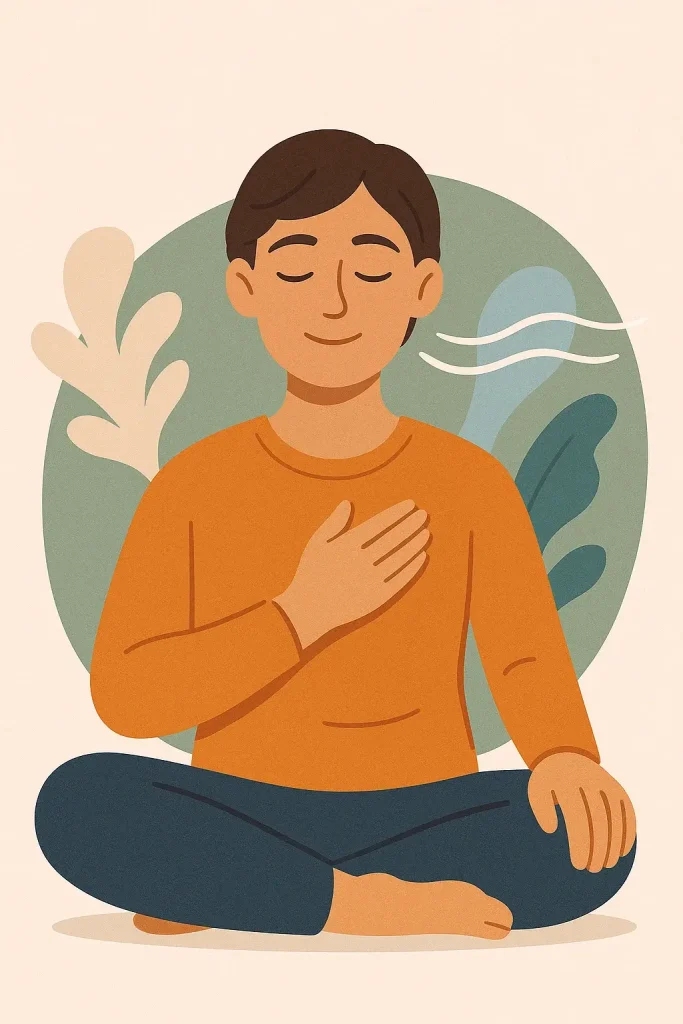
Let’s summarize: Meditation is not magic, but a tool that you can incorporate into your everyday life like a little workout. Again, meditation complements medical treatment, it does not replace it. Small, regular sessions can already bring about noticeable improvements in calmness, stress perception, and, in some cases, cardiovascular parameters—but the effects are moderate and vary from person to person.
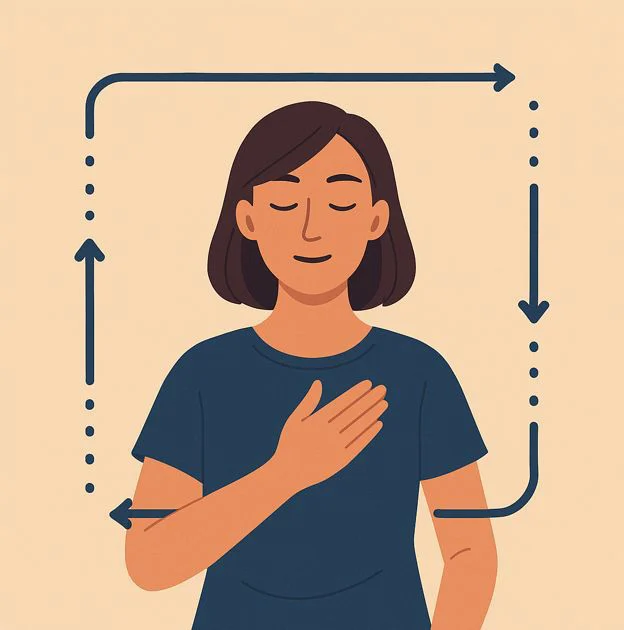
Box breathing stops stress immediately
Most people breathe incorrectly—and that is one of the main reasons why meditation is often difficul…
Try it right now: Take 60 seconds with me—breathe in slowly, breathe out slowly. Can you already feel the small change? Feel free to do this every day for a week. Then write in the comments what has changed for you. If this helps you, subscribe for similar exercises that you can do every day. A little daily practice leads to measurable, albeit mostly moderate, benefits. Keep at it.
FAQ: Meditation, health, and everyday life—explained scientifically and in a way that’s easy to understand
How does meditation affect blood pressure?
According to studies, regular meditation can lower blood pressure—especially in cases of high blood pressure. Just a few minutes of daily practice can have an effect.
Can meditation reduce inflammation in the body?
Yes, studies show that mindfulness training can reduce certain inflammation markers (e.g., CRP) and thus improve well-being in the long term.
Does meditation really help against stress?
Meditation strengthens the nervous system and activates the parasympathetic nervous system. This significantly reduces stress hormones and promotes relaxation in everyday life.
How quickly do the effects of meditation become apparent in everyday life?
Measurable effects such as lower blood pressure often occur after several weeks of daily practice. Patience and regular practice are crucial.
Is meditation a substitute for medication?
No, meditation complements medical therapy but does not replace medication. It can help alleviate symptoms but should be accompanied by medical supervision.
What is the solar plexus chakra?
If you often feel stressed, energyless or irritable, this is sometimes not due to improper nutrition…
What meditation can teach us (6 surprising effects)
Six surprising effects – but which one have you been missing out on completely? Most people want les…
What is the third eye chakra?
Many people immediately associate the third eye with magic or mysticism – but meditation and mindful…

